
UPM-Universidade Presbiteriana Mackenzie
Cities in transition: social, strategic & practical perspectives on urban regeneration
In the context of contemporary urban transformation, city regeneration has taken on a crucial role in addressing the environmental, economic, and social challenges of the 21st century. The transition from “Urban Regeneration” to “Intelligent Regeneration” represents a new phase in urban evolution, where technology, social participation, and an integrated planning approach become key elements in building more resilient, inclusive, and sustainable cities. This webinar will explore how innovative urban renewal strategies can create a lasting positive impact, balancing economic growth, social justice, and environmental preservation.
The discussion will be structured around three complementary perspectives: the concept of social urbanism and its role in building more inclusive communities; large urban intervention projects and their ability to sustainably transform the urban fabric; and, finally, the practical experience of implementing large-scale urban regeneration projects, highlighting operational tools and the challenges faced by key stakeholders.
Professor Eduardo Alberto Cuscè Nobre will provide insights into public urban policies and strategic planning, analyzing the impact of major urban transformations. His studies in urban plans and strategies will offer an essential framework for understanding how cities can evolve through regeneration interventions.
Ester Carro has an outstanding experience in developing interventions in favelas. She’ll offer this repertoire as a contrast to large-scale urban projects in more structured urban situations, bringing innovative tools for an integrated approach to planning, social equity, and environmental sustainability.
Architect Stephen Engblom, AIA, LEED AP, with his extensive international experience in urban regeneration projects and infrastructure, will illustrate the dynamics between the public and private sectors in executing large-scale interventions. His knowledge of urban growth strategies and their economic impact will be fundamental in understanding how to transform cities into more resilient and competitive environments.
Responsible for the webinar
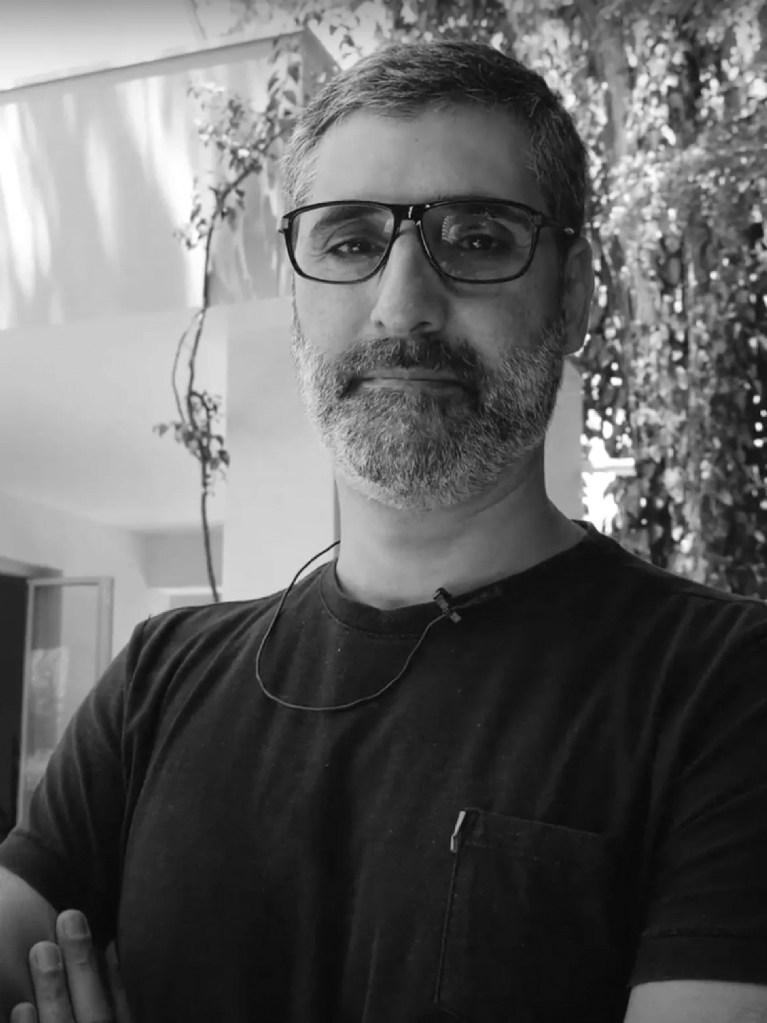
Lourenço Gimenes
Architect and Urban Planner, with a Master’s in Urban Environmental Structures from the University of São Paulo (FAU-USP).
Co-founder of FGMF Architects, with a portfolio of over 600 projects of various scales, he has led all urban-scale projects developed by the firm over the past 25 years. FGMF has received more than 250 national and international awards.
He is a professor in the postgraduate program at Mackenzie University in São Paulo and a visiting professor at Università degli Studi Roma Tre. He has also taught undergraduate and postgraduate courses in Brazil such as IMED/Atitus-RS, FAAP, UNIP, IED, and FAU-USP (PAE), in addition to serving as a guest professor and workshop speaker for the International Honors Program (IHP), Columbia University, and MIT.


 15 CTV